Today in the courtroom we heard the case of Regents of the University of California v. Bakke with attorneys from both sides presenting their case to the jury. Allan Bakke was an intelligent man who applied to the medical school of the University of California twice and was denied both times. Bakke had a higher GPA than the sixteen minorities accepted into the school and sued due to his denial. Now we hear the case, first from the side of the University of California, the school's Diversity Program was cited. This program was instituted at the University of California to provide minorities with opportunities at the university that were historically declined after the history of discrimination our country holds. Arguing that a diverse student body should be in the government's interest, the attorneys for the University of California stated that with that diversity advances in education could be achieved as highlighted in the 1972 Sickle Cell Disease programs. African Americans hold knowledge that has been hidden for years that we can use to contribute to society. These sixteen seats held for African Americans are much more valuable than one white seat, argued the university. To close their argument, the attorneys for the school stated that America cannot function with one specific way of operating its education and employment opportunities and must allow for equal opportunity for all.
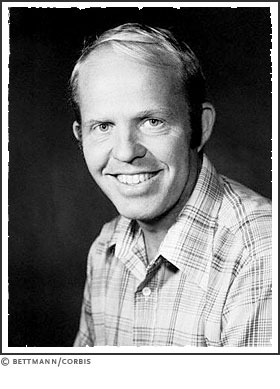
Now from the side of Allan Bakke, his attorneys argued through the Fourteenth Amendment's Equal Protection Clause and how it stated that everyone regardless of race was entitled to equal opportunity. Bakke's attorneys did highlight the "tragic history of injustice" in our nation but stated that creating new victims was not the solution to that problem. Bakke is described as a victim of discrimination as he was denied based on the color of his skin, argued his attorneys. Bias is shown in favor of minorities with a lesser degree of knowledge and intelligence due to the history of prejudice while the more qualified applicant is denied for something he had nothing to do with. A final argument made for Allan Bakke was the definition of economic efficiency being disregarded by his denial. By accepting lesser applicants into this great opportunity at the University of California, they may not succeed to the level Mr. Bakke could've if he were granted that opportunity. This means more money is spent to assist these applicants in areas that Mr. Bakke may not have needed assistance in leading to unnecessary funds being spent.
After hearing both sides of the case, the court finally came to a decision. In this decision, the diversity program of the university was deemed constitutional, however, it was deemed required to be adjusted. Minorities that cannot experience the high level of education and opportunity that many white people do, should not be punished for something they cannot control. On the other hand, the stronger applicants should not be punished due to the university attempting to diversify and favor lesser applicants and reject the stronger applicants. Therefore, the case ends as a split decision favoring both the University of California and Mr. Bakke leading to a change in the application decision for the university.


No comments:
Post a Comment